The architecture of historic gambling salons was meticulously designed to foster a specific type of community and behavioral expectation among its participants. Unlike modern casino floors that favor open layouts and continuous movement, classic card rooms functioned as secluded enclaves reserved for deep concentration and quiet socialization. Examining the unique interpersonal dynamics of these spaces reveals how early enthusiasts balanced unpredictable probability with profound personal accountability.
The Spatial Dynamics of Accountability
Traditional card tables offer a unique blend of psychological warfare and strategic depth that goes far beyond the cards dealt into your hand. One of the most critical aspects of mastering these timeless games is learning how physical seating arrangements change your access to crucial data. Players who understand how to utilize their placement relative to the dealer can consistently make more informed choices throughout a session.
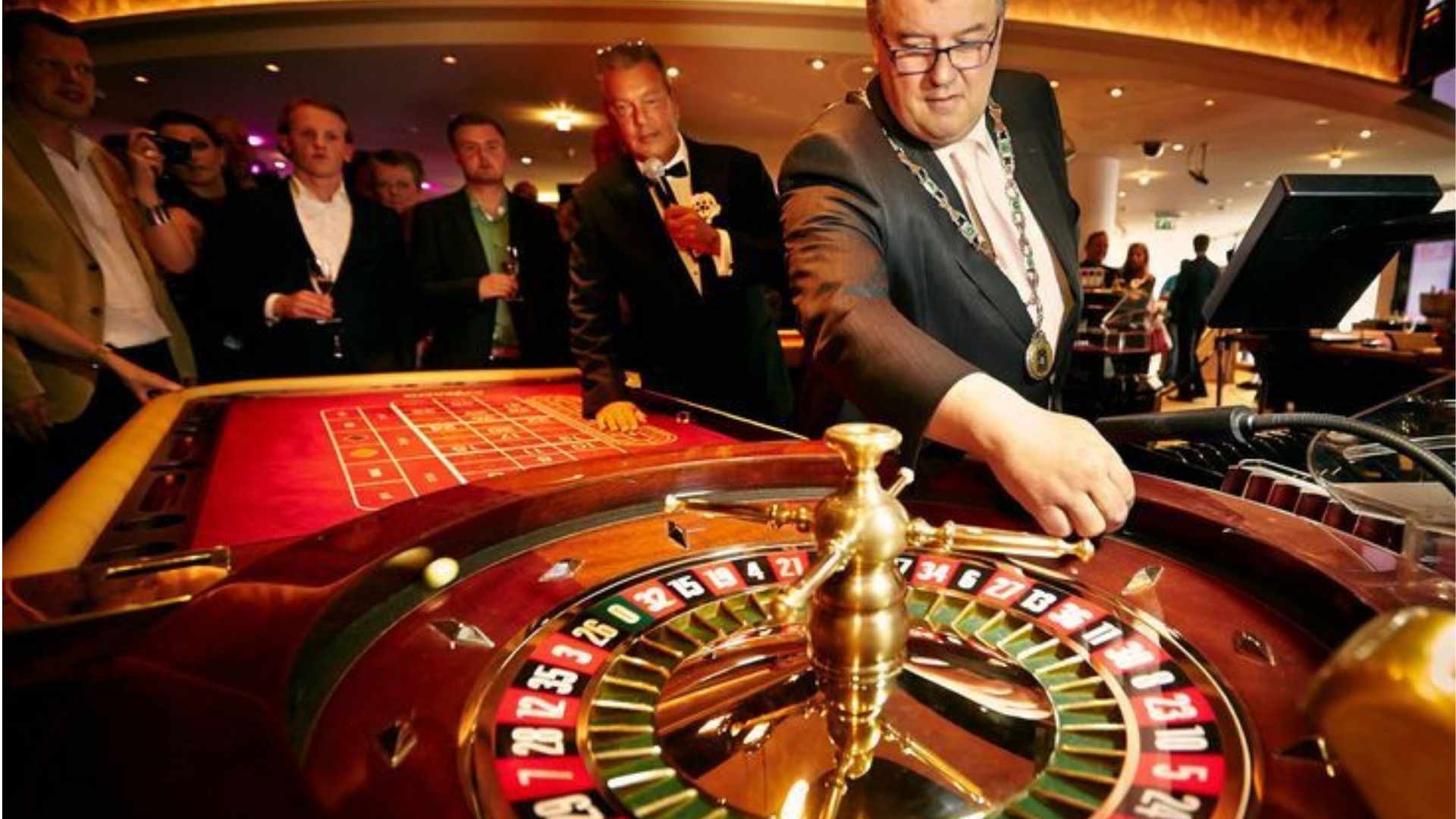
The physical arrangement of a multiplayer card table dictates how participants engage with one another and read the flow of the game. Unlike modern individual terminals, a shared classic layout relies heavily on spatial dynamics to manage multiple active players simultaneously. Examining these traditional design choices reveals how table shape and seating plans historically balanced strategic visibility with regulatory oversight.
The Shared Weight of Financial Exposure
The concept of risk at the card table has evolved significantly from a community-driven obligation into a structured form of modern entertainment. Centuries ago, players did not simply wager against a corporate entity with unlimited capital; instead, they engaged in games where financial exposure was directly shared among the participants. Examining these historic structures offers a fascinating look at how social bonds and shared accountability mitigated the unpredictable nature of pure luck.
The operational framework of historical card rooms often dictated the psychological baseline for everyone at the table. When traditional gambling houses distributed financial accountability directly to the participants, the shift from a passive player to an active stakeholder fundamentally altered the flow of the game. Examining these mechanics reveals how the personal burden of managing a bankroll reshaped individual strategies.
The Evolution of Interactive Rules
The history of traditional card games shows that small adjustments to operational procedures can completely transform the atmosphere around a gaming table. Early gambling houses discovered that by shifting structural responsibilities onto the participants, a simple comparison of numbers could become an intense psychological battleground. These customized rule variations laid the foundation for modern interactive entertainment and competitive card strategy.
Modern casino venues usually present traditional card games as streamlined options where participants simply choose between predefined outcomes. However, looking back into the history of these activities reveals a highly interactive and combative environment that has largely vanished from contemporary floors. For enthusiasts seeking to understand how contemporary digital networks adapt these classical principles, visiting a boss29 link offers valuable context on modern platform transitions.
Preserving Order Through Etiquette
The elegance of early European gambling rooms extended far beyond the simple rules of the card games themselves. In exclusive salons across France and Italy, tabletop play was less about rapid wagering and more about a structured social ritual governed by unwritten codes of conduct. Exploring these historic traditions reveals a world where quiet respect, mutual trust, and refined behavior dictated every single round around the green felt.
Ultimately, uncovering the historic relationship between chance and player accountability reminds enthusiasts that classic card rooms were originally designed as shared social events built around active participation. Recognizing the historical shift from player-controlled environments to automated contemporary structures provides a deeper appreciation for every round dealt. By understanding these older custom variations, modern participants gain a more complete perspective on the sophisticated evolution of global card culture.